Why Natural Fibers Matter
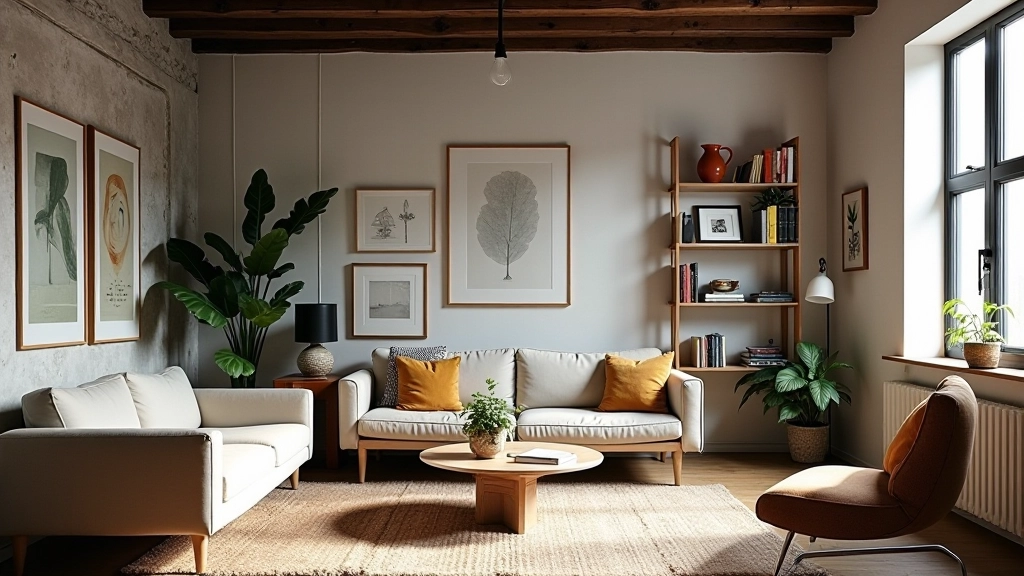
When you're furnishing a loft in Sai Ying Pun, every textile choice shapes how the space feels. Natural fibers aren't just better for the environment — they're genuinely more comfortable to live with.
Linen breathes. Organic cotton softens over time instead of pilling. Wool regulates temperature without feeling stiff. These aren't minor qualities. If you're sitting on a sofa or lounging in a vintage armchair, you'll notice the difference within weeks.
Quick fact: Linen fibers are 30% stronger when wet than dry, making them incredibly durable even with frequent cleaning.
Durability & Maintenance
Here's where natural fibers actually save you money. A quality linen upholstered piece? You'll get 10-15 years of solid use. Polyester blends often start looking tired after 5-7 years.
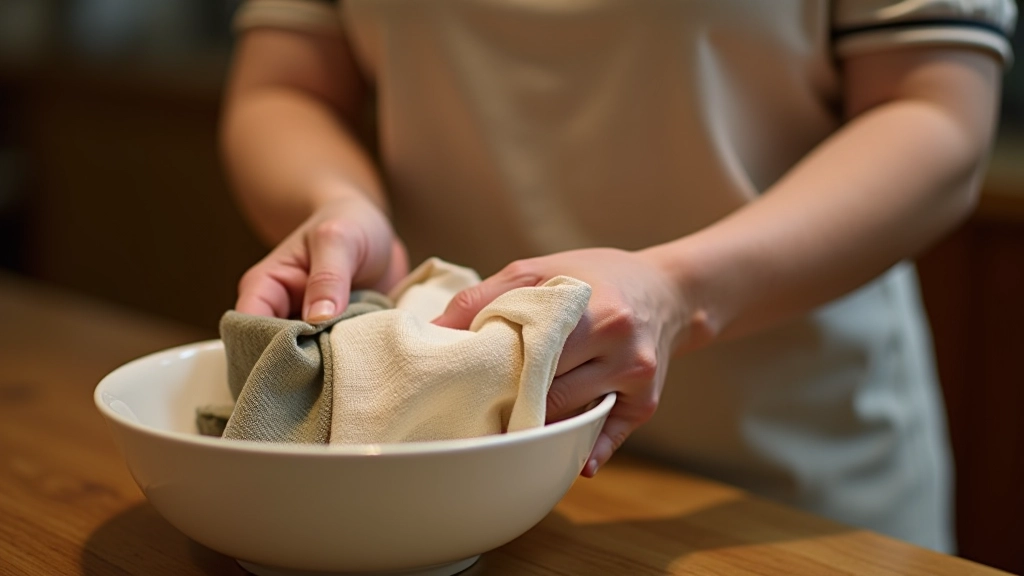
The catch isn't that they're harder to maintain — it's that you'll want to do it right. Linen doesn't require dry cleaning like some synthetic blends. Most pieces can be spot-cleaned with cool water and mild soap. Organic cotton handles similar treatment well.
Wool is the real champion here. It's naturally stain-resistant and resists odors without washing. You'll rarely need deep cleaning — a brush and fresh air usually does it.
A Note on Fabric Care
This article provides general information about natural fiber upholstery and care practices. Every fabric has specific requirements — always check manufacturer labels and test any cleaning method on a hidden area first. For valuable or delicate pieces, professional cleaning is recommended. We're sharing what we've learned through experience, not providing specific care guarantees.
Environmental Impact & Production
The story of where your fabric comes from matters. Organic cotton uses 91% less water than conventional cotton and eliminates synthetic pesticides. That's significant when you're choosing pieces for a sustainable home.
Linen's even more efficient — it grows in cooler climates, needs minimal water once established, and uses almost no chemicals. The flax plant grows in Europe mostly (Belgium, France, Netherlands produce the highest quality). You're looking at shorter supply chains compared to cotton from Australia or India.
Wool comes from sheep, obviously. The question isn't whether it's natural — it's whether the farm practices are ethical. Look for certifications like OEKO-TEX or Cradle to Cradle. These matter when you're sourcing vintage or upcycled pieces with wool content.
Color & Dyeing Methods
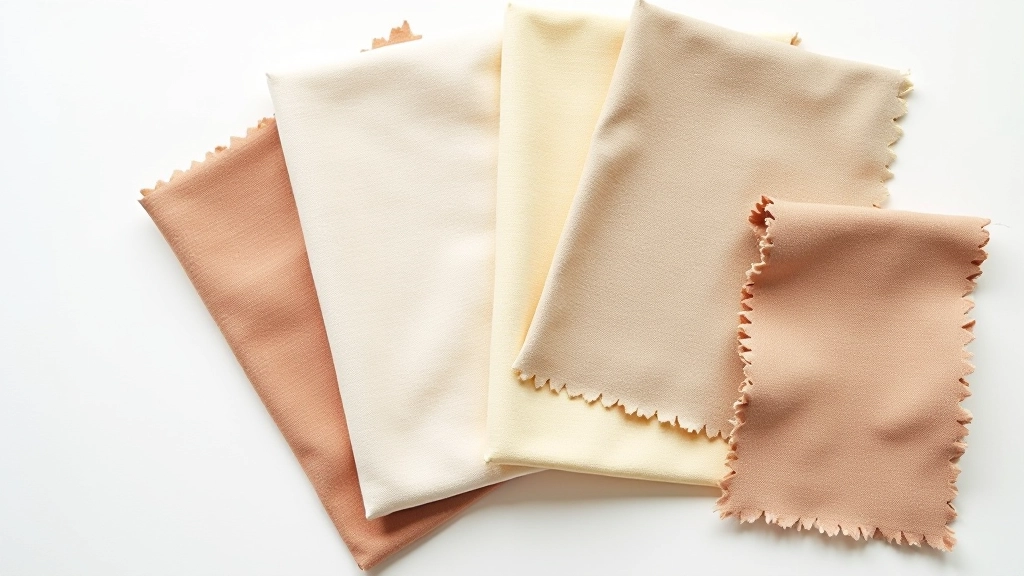
Natural fibers take dye differently than synthetics. Linen holds color beautifully — it doesn't fade as quickly and the hues actually deepen with age. Organic cotton follows a similar pattern, developing character as it lives in your space.
What matters here is the dye process. Low-impact dyes use less water and fewer heavy metals. Reactive dyes are considered safer than acid dyes. If you're sourcing new upholstery, ask manufacturers about their dyeing methods.
When you're shopping vintage or upcycled pieces? The dyes have already been set. You're simply extending the life of something that's already been produced — which is the most sustainable choice of all.
Making Your Choice
Choosing eco-friendly upholstery isn't about perfection — it's about making informed decisions within your budget and space. A linen sofa from an estate sale that's 40 years old? That's already sustainable. A newly upholstered vintage chair in organic cotton? That's a solid choice too.
What you're avoiding matters just as much. Synthetic blends with polyester will eventually end up in landfills. Natural fibers biodegrade. Over a 15-year period, that difference compounds.
Start by assessing what you already have. Vintage pieces often feature linen or wool — you've already inherited the sustainable choice. When you're sourcing new upholstery or bringing old pieces back to life, now you know what to look for and why it matters.