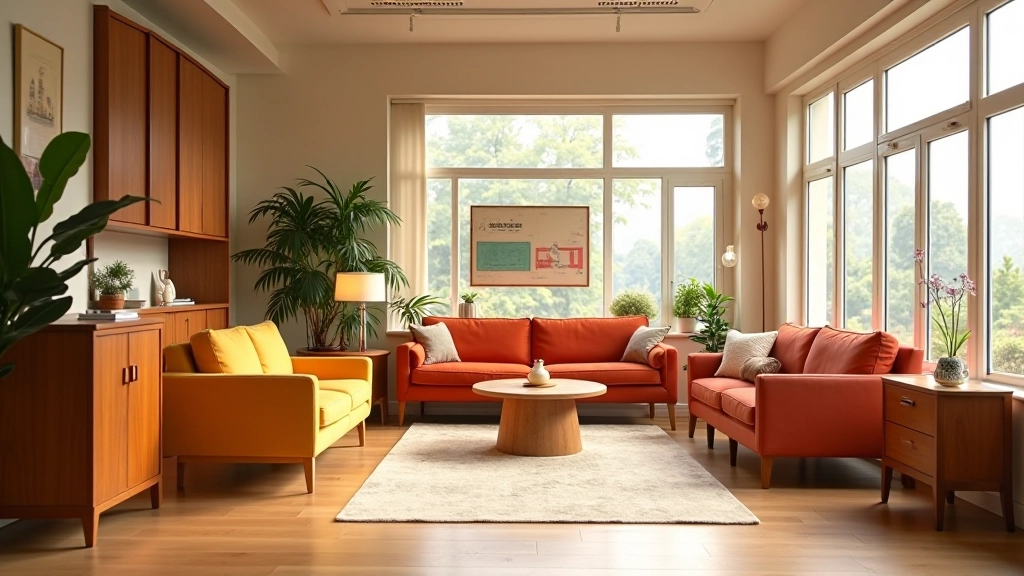

Where to Start Your Hunt
Mid-century modern furniture doesn't have to drain your wallet. The secret isn't about finding showroom pieces — it's about knowing where to look and what to spot. Estate sales, flea markets, and online marketplaces are goldmines if you understand the fundamentals.
We're talking real teak, walnut, and rosewood pieces from the 1950s through early 1970s. Not the reproduction stuff. Authentic furniture that'll last another fifty years in your Sai Ying Pun loft and actually improve with age.
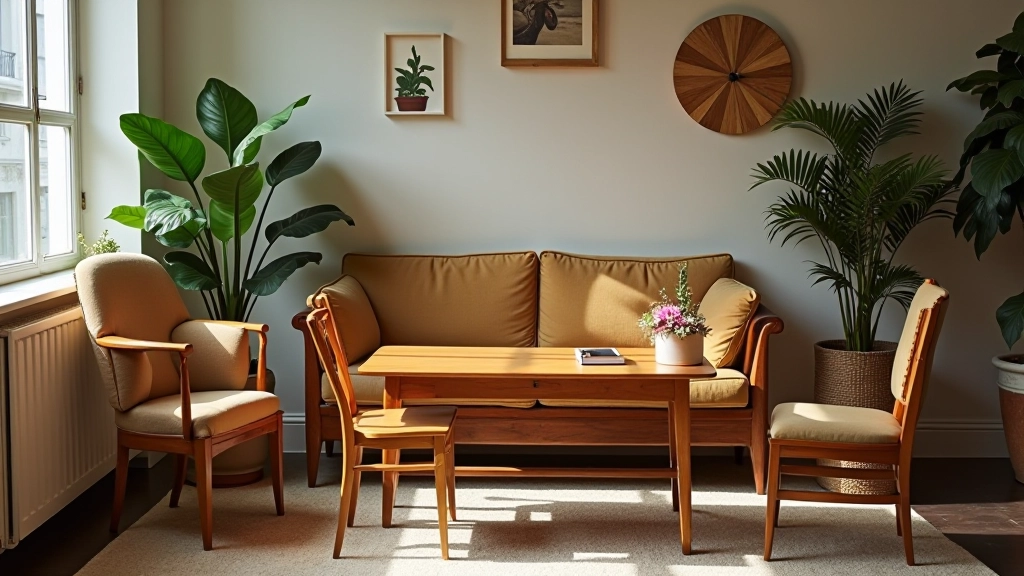
Learn the Wood Types
Teak's the heavy hitter. It's dense, warm-colored, and doesn't need much maintenance. You'll recognize it immediately — it feels substantial when you lift a chair. Walnut's slightly lighter but just as solid. Both were premium choices back in the 1960s, which means they're still built like tanks.
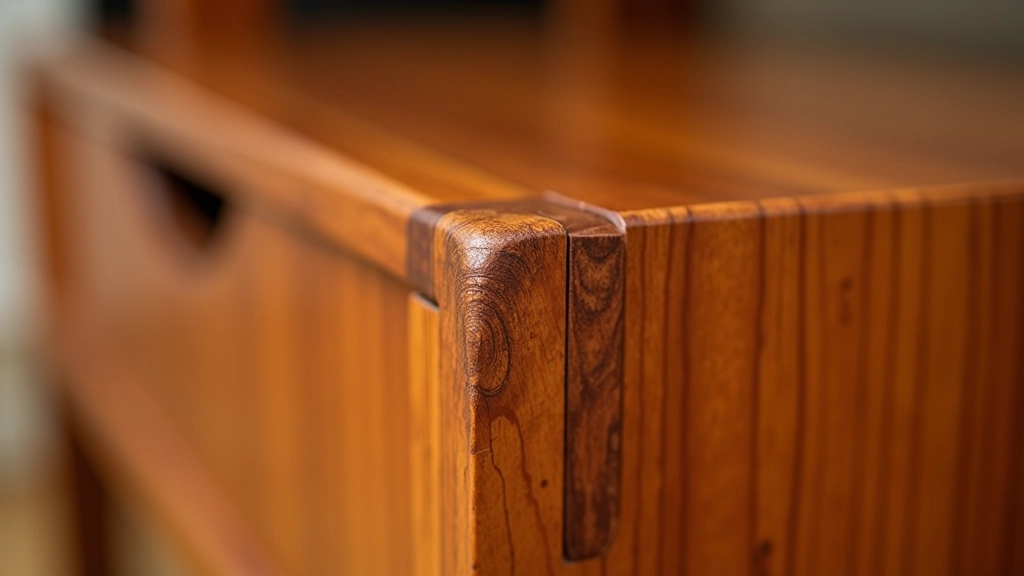
Run your hand along the grain. Real wood has variation. Those grain patterns aren't uniform — they flow naturally. Cheap reproductions have that plastic-y feel or suspiciously perfect symmetry. You'll know it when you feel it.
Check the Joints and Hardware
Flip the chair over. Look at where the legs connect to the seat. Quality mid-century pieces use mortise and tenon joints — you'll see solid wood connections, not just screws and brackets. These joints get tighter with time, not looser.
Hardware matters too. Vintage brass hinges, original handles, metal feet — these details signal authenticity. If the screws look recent or the hardware's been replaced multiple times, that's fine, but original details bump up the value and charm significantly.
Scout the Right Places
Estate sales beat flea markets because you're buying from liquidators who actually catalog pieces properly. You'll get the furniture history, original condition details, and usually reasonable pricing. Plus, you're not competing with professional resellers.
Online platforms like Facebook Marketplace and local classified sites work too. The advantage? You can message sellers directly, ask specific questions about damage or repairs, and negotiate. Don't be shy about asking for price flexibility — most people want the furniture gone more than they want top dollar.
What to Watch Out For
Woodworm and water damage are the killers. Woodworm creates tiny holes throughout the wood — like someone took a pin to it repeatedly. Some damage is cosmetic and repairable. Extensive woodworm means structural issues. Don't risk it.
Water stains happen. A ring from a coffee cup isn't a deal-breaker. But warping, swelling, or soft spots in the wood? That's active moisture damage. Run your fingers across the surface. If it feels spongy or the grain's raised unevenly, move on.
Upholstered pieces need scrutiny. Fabric can hide a lot. Ask about the foam underneath — original pieces often have horsehair or cotton batting that's actually more durable than modern foam. But if the frame's loose or creaks when you sit, that's a red flag about the joinery.
Practical Tips for Your Search
Budget Realistic Amounts
A decent teak side table runs 150-300 HKD at estate sales. A quality chair, 200-500 HKD. You're not buying premium showroom pieces — you're buying real vintage pieces that need their new home. Budget accordingly and you'll find gems.
Measure Before You Commit
Bring a measuring tape. Loft ceilings are high, but floor space is precious. Mid-century pieces are often more compact than modern furniture, which is perfect for Sai Ying Pun living, but you need to verify dimensions on-site.
Go Early to Sales
The best pieces sell fast. If you're serious, show up when the sale opens. You'll see everything in original condition before other buyers pick through. Bring cash — it helps with negotiations and guarantees you don't lose the piece while payment processes.
Document Condition
Take photos of any damage before you buy. Scratches, dents, finish issues — capture them all. This protects you if the seller claims something was perfect. Plus, you'll have reference photos when you're planning restoration work later.
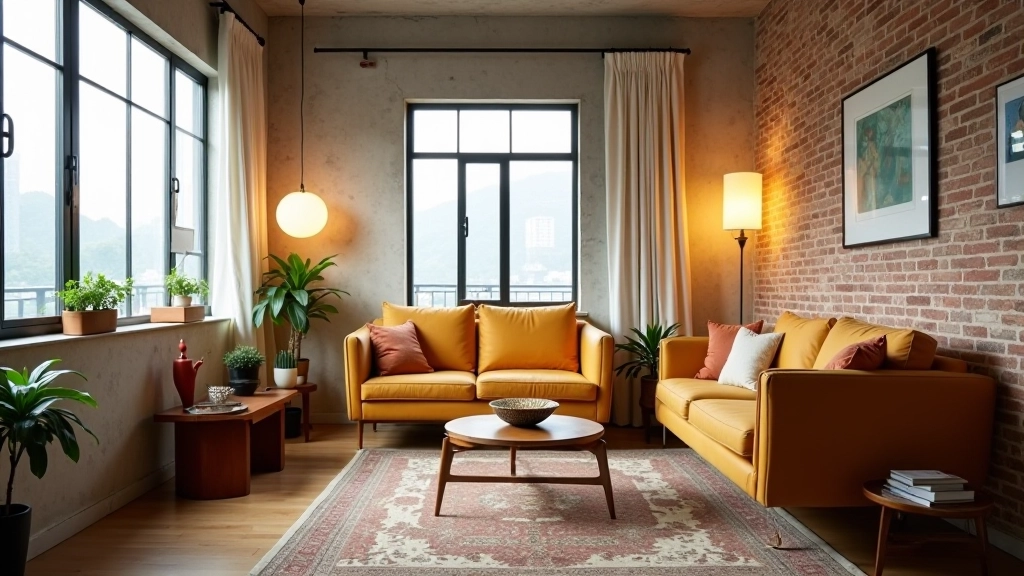
Building Your Collection Strategically
Don't try to furnish your entire loft at once. Start with pieces that anchor your space — a quality sofa or dining table. These are the foundation. Then layer in smaller pieces over time. This approach spreads costs and gives you time to hunt for pieces that actually match your aesthetic.
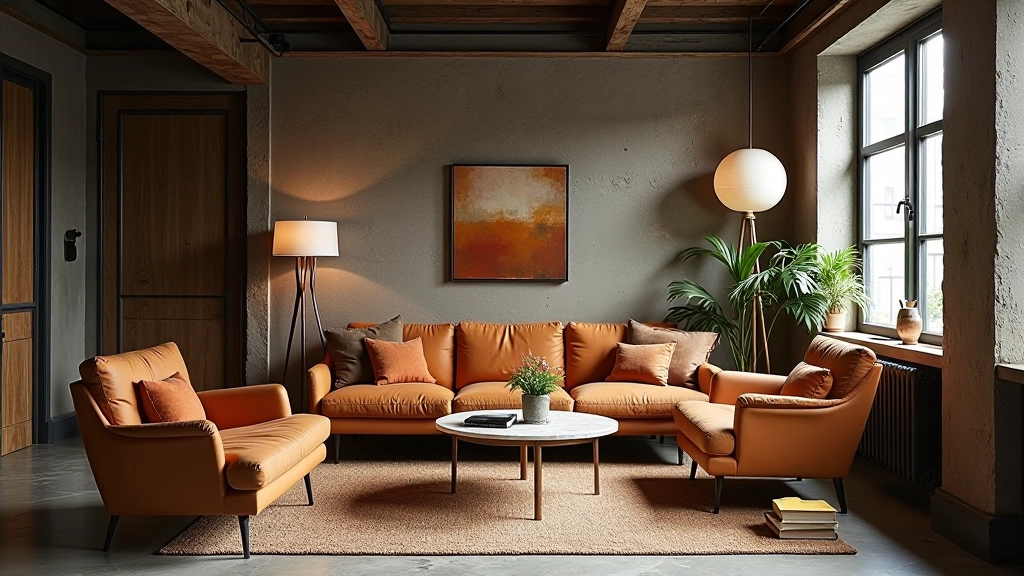
Mix eras thoughtfully. A 1950s chair works beautifully with 1970s storage. What matters is the design language — clean lines, natural materials, functional beauty. That's what tied the era together, and that's what makes these pieces timeless in a modern loft.
Don't obsess over perfect condition. Authentic vintage has patina. Small scratches, minor stains, worn edges — these tell the story of the piece. You're not buying museum pieces. You're buying furniture that's lived, and you're giving it a new life. That's the real appeal of mid-century design.
Disclaimer: This article is for educational purposes and shares general guidance on identifying mid-century furniture. Condition assessment, authenticity verification, and restoration decisions depend on individual circumstances and specific pieces. When purchasing valuable or antique furniture, consider consulting with a professional furniture appraiser or restoration specialist to assess condition, value, and suitability for your space.
The Real Value is in the Hunt
Mid-century furniture doesn't need to be expensive. What it needs is patience and knowledge. You're looking for pieces made when craftsmanship mattered — when designers cared about proportions and materials, not quarterly earnings.
Estate sales and flea markets are treasure hunts. You won't find everything you want, but you'll discover pieces you didn't know you needed. That's where the magic happens. That's where a simple wooden chair becomes part of your loft's story.
Start small. Learn the fundamentals. Be patient. The right pieces will come. Your Sai Ying Pun loft deserves furniture with soul, and the budget-conscious hunt is where you'll find it.