

Understanding Industrial Bones
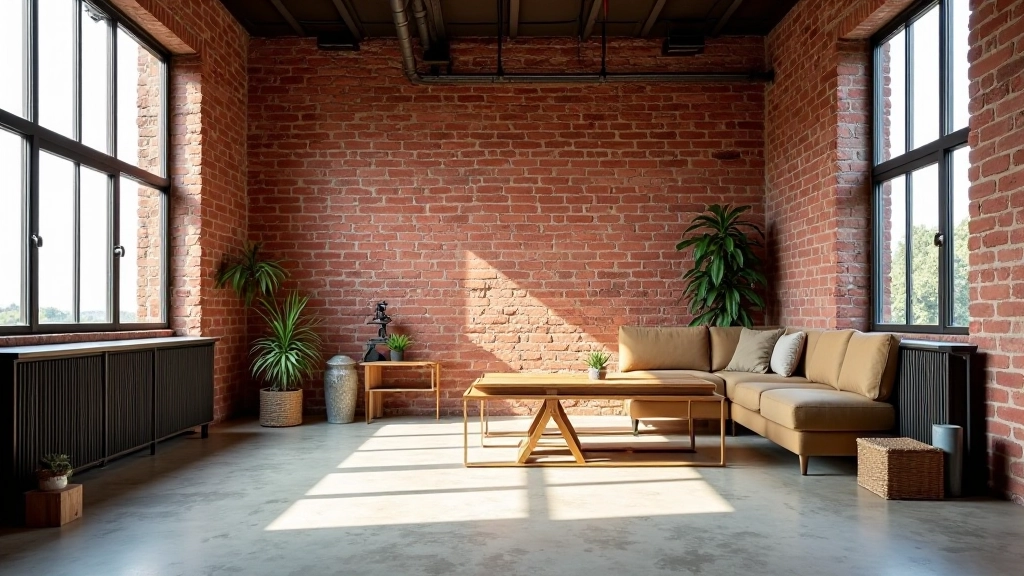
Raw loft spaces are honest. Exposed brick walls, concrete columns, and steel beams — they're the foundation that makes everything else work. But here's the thing: industrial architecture can feel cold if you're not careful.
The secret isn't hiding those elements. It's layering warmth around them. When you've got soaring 12-foot ceilings and bare walls, vintage furniture becomes the counterpoint. A mid-century wooden dresser against brick creates dialogue. A well-worn leather sofa transforms a concrete corner into an actual living room.
We're talking about contrast here. The industrial structure says "raw" and "honest." The vintage pieces say "lived-in" and "collected." Together, they tell a story that neither one tells alone. That's the balance we're after.
Choosing the Right Vintage Pieces
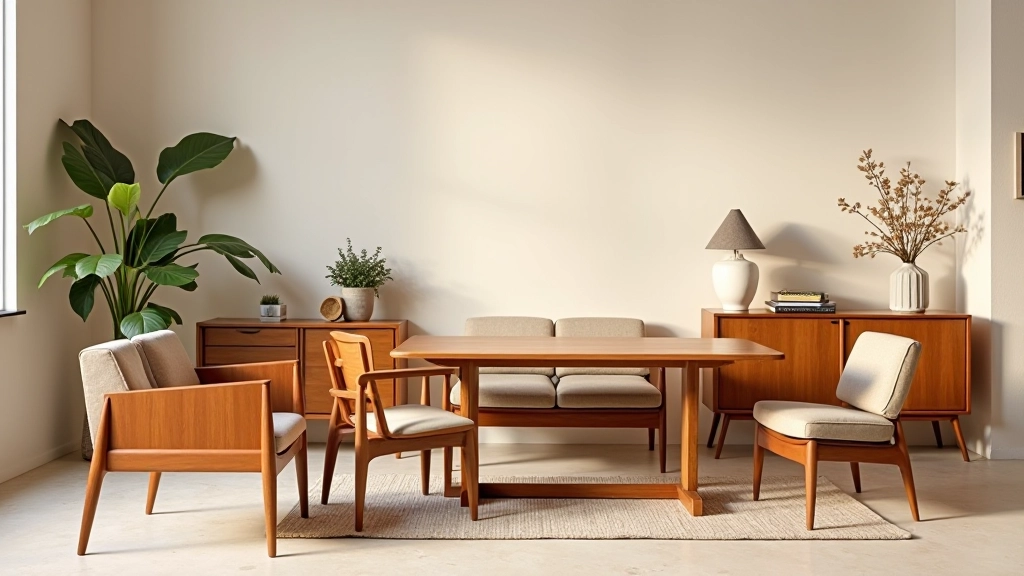
Not all vintage pieces work in industrial spaces. You'll want solid wood — real teak, walnut, or oak. The grain matters. It adds visual warmth that laminate can't match. Look for furniture with good bones from the 1950s through 1980s. That era had the best balance of durability and design.
Upholstered pieces deserve special attention. A vintage sofa or armchair in neutral linen or wool grounds the space. We've found that cream, caramel, and soft gray work beautifully against industrial backdrops. Avoid bright patterns — they compete with the architectural drama. Instead, let texture do the talking: a chunky knit throw, a leather ottoman, natural fiber rugs.
Scale matters too. In a 20-foot loft, you need substantial furniture. A delicate side table disappears. A solid credenza or oversized bookcase anchors the room. Proportion your pieces to the space, not the other way around.
Design Note: The styling recommendations in this article are based on general design principles and aesthetic preferences. Individual loft layouts, building codes, and structural constraints vary significantly. Always verify furniture weight limits with your building management before placing large pieces, especially on upper floors. Consult a local interior designer or architect if you're planning major furniture arrangements or modifications.
Layering Textiles for Warmth
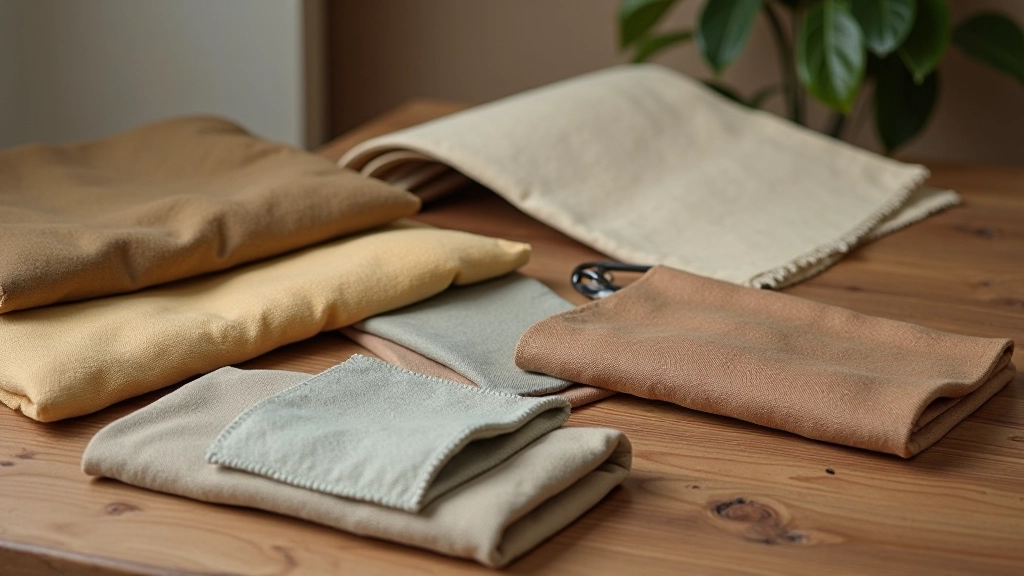
Textiles are your best friend in a loft. They soften hard surfaces, absorb sound, and add the coziness that concrete floors can't provide on their own. You're not just decorating — you're making the space feel livable.
Start with area rugs. A large natural fiber rug (jute, sisal, or wool) anchors a seating area. Layer a vintage kilim or flatweave on top for color and pattern without overwhelming the space. The key is restraint. We recommend two, maybe three textiles per zone — not more. Too many competing patterns feel chaotic in a raw space.
Throws and cushions are where you can experiment. A cream linen throw draped over a leather sofa. Cushions in warm ocher, burnt sienna, or muted sage. These aren't permanent — you can swap them seasonally. Vintage quilts, especially patchwork ones in natural cotton, work beautifully as wall hangings or sofa blankets. They add texture and warmth without the fussiness of formal artwork.

Creating Functional Zones Without Walls
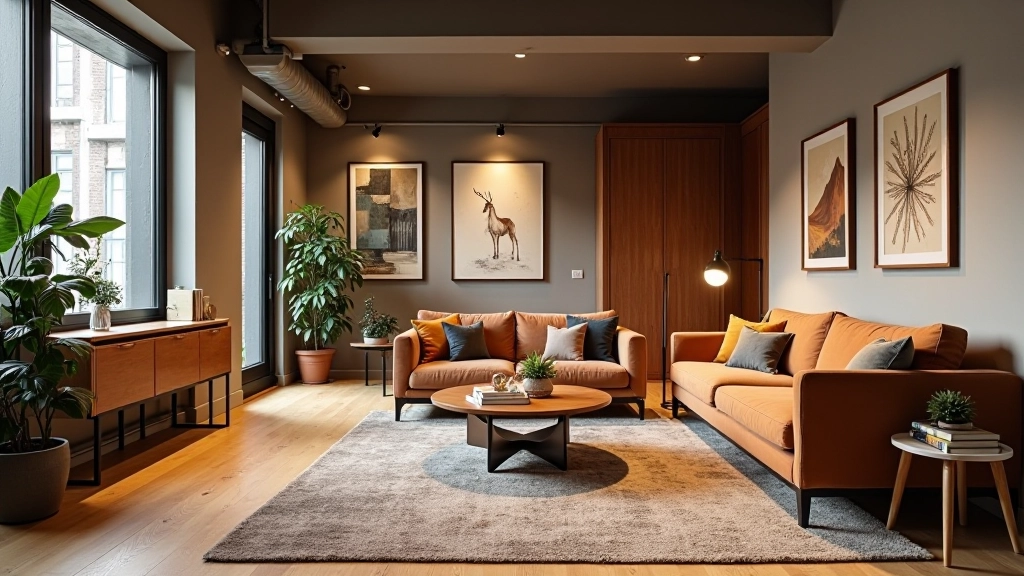
Open lofts can feel overwhelming without some structure. You don't need walls — furniture arrangement does the job. A vintage credenza can serve as a room divider between living and sleeping areas. An oversized bookcase creates a subtle boundary. Area rugs define zones visually: one for sleeping, one for working, one for relaxing.
Lighting helps tremendously. Floor lamps positioned around vintage seating areas create intimate pockets within the larger space. Pendant lights over a dining table ground that zone. We've found that mixed vintage lighting — brass floor lamps, ceramic pendant fixtures, vintage table lamps — adds character while serving a practical purpose.
The beauty of this approach is flexibility. As your needs change, you rearrange. Nothing's permanent. The industrial shell stays honest, and the vintage pieces adapt. It's honest living in an honest space.
Making It Your Own
Loft living isn't about following rules. It's about understanding the space you have and respecting it. Industrial architecture has its own beauty — don't fight it. Instead, introduce elements that make you want to spend time there. Vintage furniture and textiles do exactly that. They're warm without being fussy. Authentic without being trendy. And they age gracefully, just like the lofts they inhabit.
Start with one piece. A wooden table. A leather sofa. A well-chosen rug. Add layers gradually. Notice what feels right in your space. The best lofts aren't designed by professionals — they're built by people who understand their homes and make thoughtful choices over time.